The BIOPOLY Cluster brings together three pioneering EU-funded projects
POLYMEER, BIOPYRANIA and POLYMERS-5B
united by a common mission: to accelerate innovation in sustainable, bio-based polymers.
Created in alignment with the European Commission’s expectations for collaboration under the Horizon Europe Circular Bio-based Europe Joint Undertaking (CBE JU), this cluster fosterssynergy, knowledge exchange and greater impact across complementary research efforts.
Objectives
Through this collaboration, the cluster aims to:
01
Exchange best practices and research insights, ensuring faster learning and progress across projects.
02
Enhance the visibility and impact of results through joint dissemination, shared events, and cross-promotion.
03
Promote sustainability and innovation in polymer science, with a focus on circularity, advanced materials and bio-based feedstocks.
Each project's expertise
Cluster Member
POLYMEER
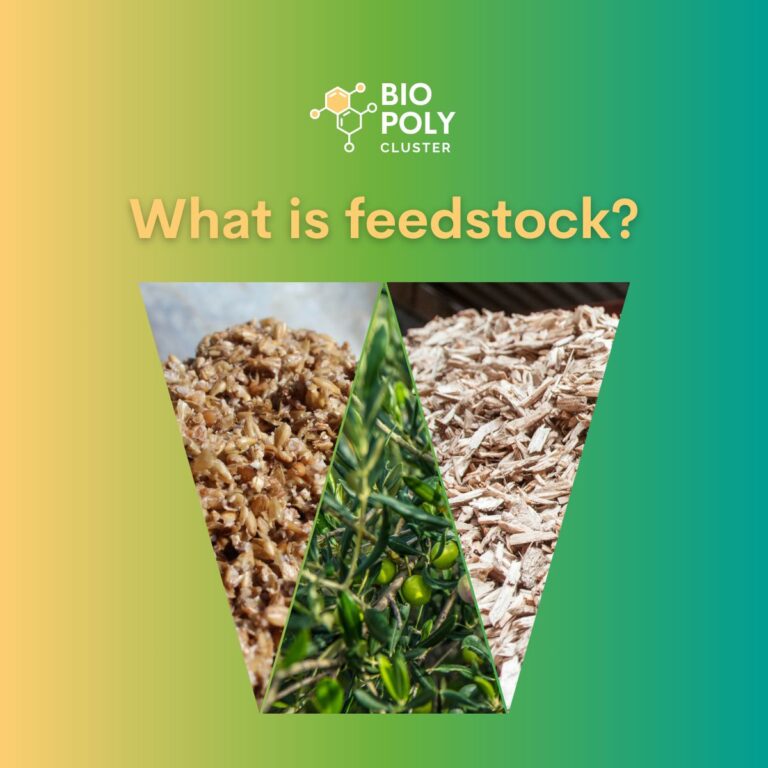
aims to establish a sustainable bio-based value chain for bioplastic products, using brewers’ spent grain (BSG) as feedstock. Focused on agricultural films, brewery tertiary packaging, and automotive textiles, the project designs bioplastics to be recyclable and/or biodegradable for environmental sustainability.
Cluster Member
BIOPYRANIA
aims to produce new classes of polyamides (PA) and polybenzimidazole (PBI) from biobased aromatic monomers, synthesized from amino acids obtained from second-generation (2G) woody biomass. The ultimate goal is to provide high- performance, environmentally friendly alternatives to fossil fuel products, responding to growing industry demands and European sustainability regulations such as the Sustainable Product Initiative (SPI). New polymers, for strategic sectors such as electric mobility and clean hydrogen, will help reduce dependence on fossil resources, promoting a more sustainable and technologically advanced future.
Cluster Member
POLYMERS-5B
aims to develop novel alternative bio-based polymers synthesized from bio-based monomers (diacids, diols, diamines, hydroxyacids, aminoacids, aromatic and phenolic compounds, fatty acids, oils, furans), sourced from underexploited second generation (2G) feedstocks such as agri-food waste (Tomato and Olive wastes) and biomass (wood pulp and lignin derivatives), obeying the food first and cascading principle.
What's going on
Updates from the cluster
The cluster activities will include co-hosted webinars, shared conference sessions, joint communication campaigns, and regular coordination meetings. With an open and collaborative spirit, the cluster will welcome future partnerships with other relevant EU projects to broaden its impacts and reach.
Looking ahead
Together, innovation grows stronger... and greener.
By joining forces, POLYMEER, BIOPYRANIA, and POLYMERS-5B are proving that the future of science lies in collaboration. The BIOPOLY Cluster will not only amplify the outcomes of its member projects but also accelerate the transition towards a more circular, bio-based, and resilient economy.