BIOPOLY Cluster launches Joint Communication Campaign on the Role of Feedstock in Sustainable Bio-Based Products
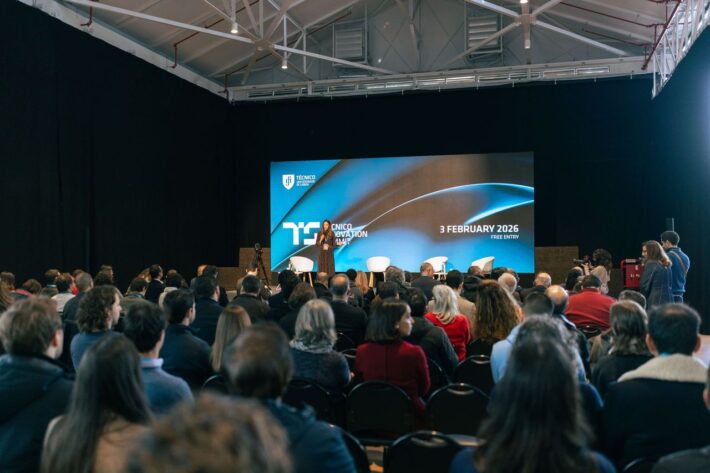
On Tuesday, 3 February 2026, the BIOPOLY Cluster officially launched a new joint communication campaign highlighting the strategic importance of feedstock selection in the development of sustainable bio-based products. The campaign brings together three EU-funded research and innovation projects with a shared goal: increasing awareness among stakeholders, policymakers, and the wider public of how feedstock choices influence the sustainability of the bioeconomy from environmental, economic, and social perspectives.
In the bioeconomy context, feedstock refers to the biological raw materials used to produce bio-based products, including polymers and plastics. Choosing the right feedstock is a decisive step, as it affects product performance, industrial scalability, environmental impact, circularity, and potential interactions with food systems or land use. Through this campaign, the BIOPOLY Cluster aims to underline the need for informed and responsible feedstock selection as a key pillar of a resilient and circular bio-based plastics value chain.
The campaign highlights the complementary approaches of the three projects that form the BIOPOLY Cluster, each exploring different feedstock pathways while contributing to a shared sustainability vision.
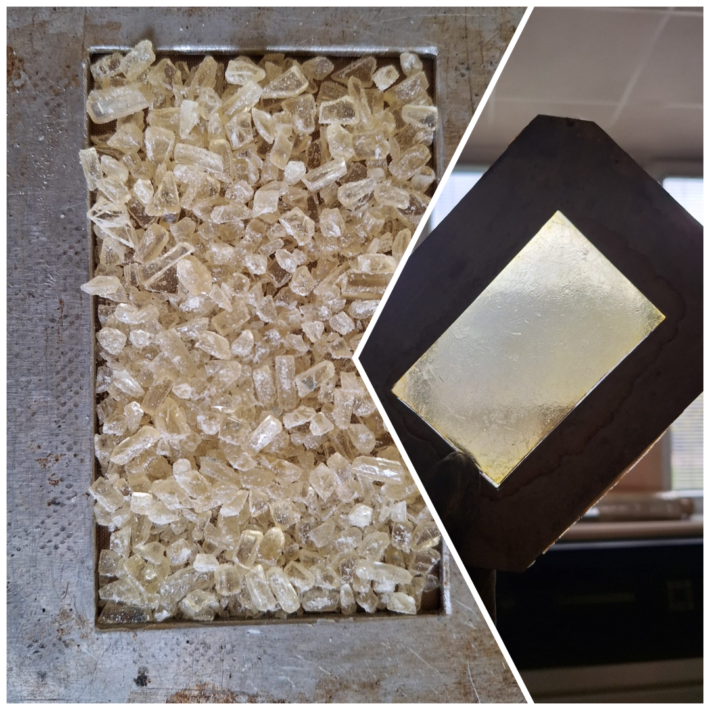
The POLYMEER project focuses on the valorisation of brewers’ spent grain (BSG), a widely available by-product of the brewing industry. By upcycling this secondary feedstock, POLYMEER reduces industrial waste and develops recyclable and biodegradable polymer solutions for applications in the agriculture, automotive, and packaging sectors.
The BIOPYRANIA project investigates the potential of second-generation woody biomass as a sustainable feedstock. Through innovative conversion processes, woody biomass is transformed into bio-based building blocks for use in the automotive sector and in green hydrogen-related applications, supporting the shift away from fossil-based resources.
POLYMERS-5B targets underexploited agri-food waste streams, such as olive and tomato residues, alongside biomass sources including lignin derivatives and wood pulp. The project develops bio-renewable monomers designed for integration into a wide range of applications, including automotive components, furniture, resins, and textiles.
By bringing these initiatives together under a common narrative, the BIOPOLY Cluster demonstrates how diverse feedstock strategies can collectively contribute to a more resilient, circular, and sustainable bioeconomy. The campaign aims to strengthen understanding of the links between feedstock selection, environmental responsibility, and industrial innovation, while reaffirming the crucial role of EU-funded research in accelerating the transition to bio-based and circular material systems.