Turning agri-food waste & biomass into sustainable polymers
Developing novel alternative of bio-based polymers synthesised from bio-renewable monomers.
Project Specificity
POLYMERS-5B aims to create a bio-based alternative
Given that 97% of plastics are currently derived from fossil-based feedstock (data from 2023 Plastics Europe AISBL), POLYMERS-5B aims to create a bio-based alternative to the production of plastics through underused agri-food and wood biowastes.
The main applications are:
Project Goals
Novel alternative bio-based polymers
Novel alternative bio-based polymers synthesized from bio-based monomers sourced from underexploited 2G feedstock, using Machine Learning (ML) tools and Safe and Sustainable by Design (SSbD) approaches.
Project Impact
We will refer to the benefits to society and the environment:
- Recyclability of new bio-based products
- Biodegradability, lower carbon footprint of the new products
- Fair transition towards sustainability for all EU’s citizens
- Boosting the demand for new bio-polymers, products & bioactive compounds and creating the conditions for a spin-off
What's going on
News and Events
Explore insightful content that keeps you ahead of the curve to the pulse of what's happening.

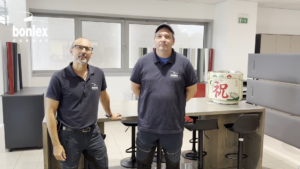
From tomato skins to furniture edges: Bonlex Europe starts extruding the First Bio-Based Prototypes for POLYMERS-5B
Read More »
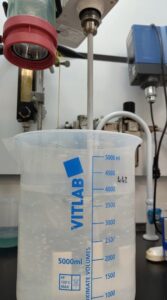
Giving enzymes a second life: ChiralVision’s role in turning waste into industrial materials
Read More »
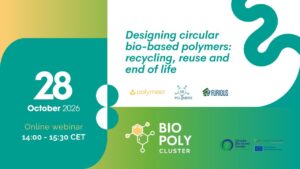
Can Bio-Based Polymers be truly circular? Join the BIOPOLY Cluster webinar on 28 October
Read More »Consortium
Innovation and Impact Partnership
POLYMERS-5B brings together experts from academia, research institutions, and industry, representing Portugal, Latvia, Spain, Netherlands, Italy, Germany and Serbia.
This collaboration brings together cutting-edge technologies and expertise to develop and drive innovation in Biocatalysis and Green Chemistry processes.
POLYMERS-5B
Fair transition towards sustainability
for all EU’s citizens
A fair transition towards sustainability for all EU citizens involves ensuring that the shift to a green economy is inclusive, equitable, and just. This process should not only focus on environmental goals but also consider social and economic dimensions to ensure that no one is left behind.