BIOPOLY Cluster successfully launched | 06.11.2025
Accelerating Innovation in Bio-based Polymers for a Circular Future
The POLYMERS-5B project is thrilled to announce the successful official launch of the BIOPOLY Cluster, a new collaboration aimed at accelerating innovation in sustainable, bio-based polymers.
The online event, titled Introducing the BIOPOLY Cluster: Accelerating Innovation in Bio-based Polymers, took place on November 6, 2025, from 11:00 to 12:30 CET, attracting around 100 stakeholders from across the bioeconomy value chain.
A New Force in Bio-based Polymers
The BIOPOLY Cluster brings together three ambitious, CBE-JU-funded projects —POLYMEER, BIOPYRANIA, and POLYMERS-5B— all committed to advancing the development of high-performance, renewable polymer solutions. The aim is to create a synergy that accelerates the market readiness of these sustainable alternatives. The webinar was opened with a welcoming address by Simone Maccaferri, POLYMERS-5B Project Officer from the Circular Bio-based Europe Joint Undertaking (CBE JU).
Showcasing Cutting-Edge R&D
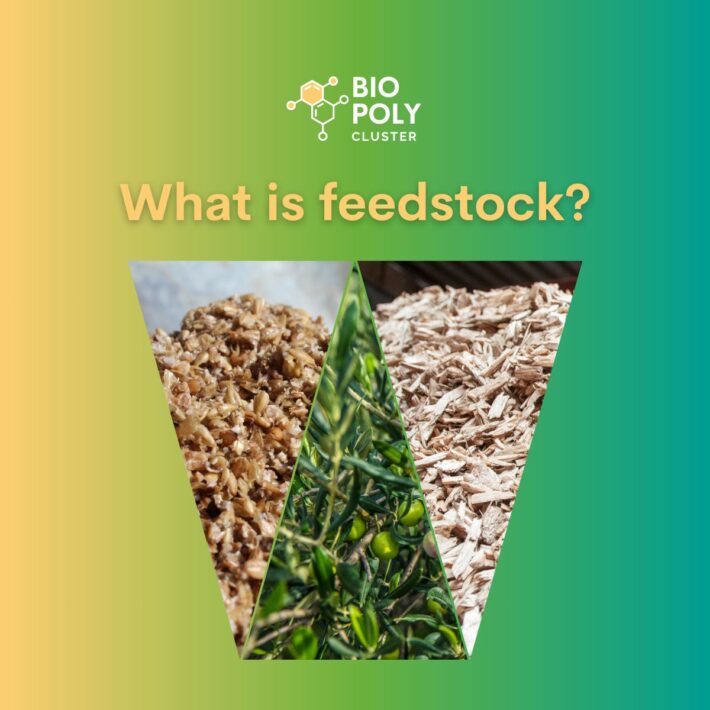
The event featured presentations from the project coordinators, who detailed their unique approaches to creating sustainable polymers from diverse secondary feedstocks, such as brewers’ spent grain, agri-food residues, and woody biomass: Assunta Marrocchi, coordinator of the POLYMEER project Katrien Bernaerts, coordinator of the BIOPYRANIA project Luís Joaquim Pina da Fonseca, coordinator of the POLYMERS-5B project.
A core component of the event was the sharing of intermediate R&D results from the POLYMERS-5B project, highlighting the journey “From Agri-Food Residues to Sustainable Plastics”. Professor Luís Joaquim Pina da Fonseca presented the project’s progress in valorising agro-food side streams and wood processing residues into high-value chemical building blocks and final products.
Key POLYMERS-5B Findings Shared: Valorisation of Tomato and Olive Oil Biowastes:
Detailed progress in extracting functional compounds, such as high-purity carotenoids (e.g., lycopene) and a profile of polyphenols (e.g., Gallic acid, Hydroxytyrosol), from the skins and seeds of tomato and olive oil biowastes. These compounds and other intermediates are being successfully converted into bio-based monomers for the synthesis of novel polyesters and polyurethanes.
Advanced Polymer Synthesis
Initial results were shared on the synthesis of semi-aromatic polyesters via green biocatalysis and the development of thermoset resins from wood processing side streams (tall oil fatty acids).
Circular Applications
The final bio-based polymers are designed to deliver solutions for high-value applications in the textile, automotive, furniture, and polymeric resin markets.
Exploring a Circular Future
The event culminated in an insightful panel discussion titled “Bio-based Polymers in a Circular Future.” The session explored critical opportunities, such as the integration of AI and Machine Learning tools for predicting polymer properties and modeling and addressed key challenges for scaling up innovation within the European bioeconomy. The successful launch of the BIOPOLY Cluster marks a significant milestone in collaborative European research, promising to accelerate the shift towards a more sustainable and circular polymer industry.
The success of the BIOPOLY Cluster launch reaffirms the urgent need for collaborative, bio-based innovation. We invite all interested stakeholders—from industry partners and researchers to investors—to explore the full potential of our high-value polymer solutions.
For detailed technical reports, partnership opportunities, or to stay updated on our next milestones in converting agri-food waste into sustainable plastics, contact the POLYMERS-5B coordination team today!