Bioeconomy as a driver to transform the Textile Industry
The textile and fashion industry is on the brink of a transformative shift—one that could rival the impact of synthetic fibers introduced in the last century. Historically, this sector has been among the largest consumers of water and a significant source of microplastic pollution and CO₂ emissions. According to the European Environment Agency, textile product purchases in the EU generated around 270 kg of CO₂ emissions per person in 2020, totaling 121 million tons of greenhouse gases.
Today, a wave of bioeconomy innovations and increasingly strict EU regulations are driving the industry toward a circular model, embracing bio-based materials and fostering the development of new sustainable value chains. At the core of this transition are bio-based solutions emerging from European research, aiming to replace non-biodegradable fossil-derived materials. By using renewable biological resources such as agri-food waste and second-generation biomass, it is now possible to develop polymers that mimic the properties of fossil materials—while drastically reducing environmental impact. This shift strengthens both the competitiveness and the sustainability of the European textile sector, laying the foundation for a truly circular bioeconomy.
POLYMERS-5B: A Step Forward in Textile Sustainability
At the heart of this revolution is POLYMERS-5B, a European project funded with €5.6 million by the Circular Bio-based Europe Joint Undertaking (CBE JU), a public-private partnership between the European Commission and the Bio-based Industries Consortium (BIC). POLYMERS-5B’s promising solutions were showcased last June, as part of the ECOSYSTEX initiative, the European community for textile circularity.
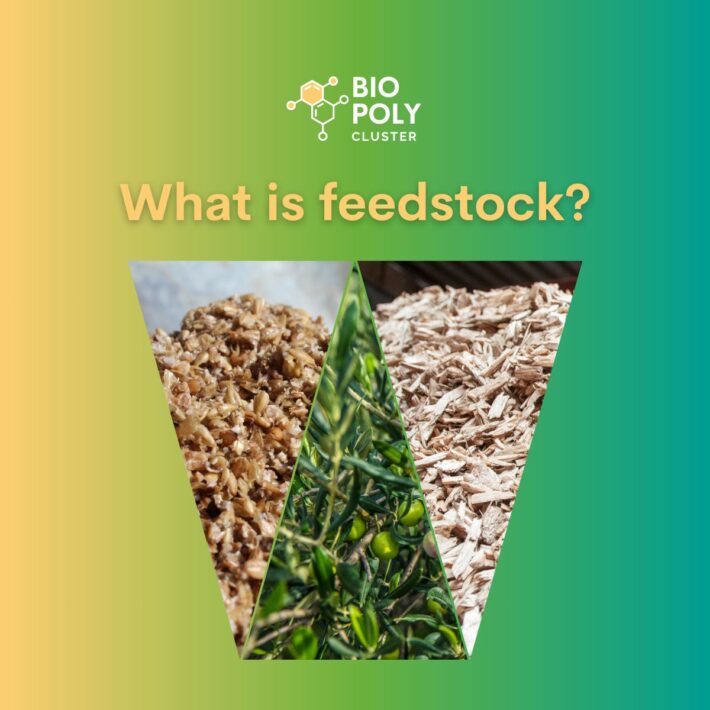
The primary goal of POLYMERS-5B is to develop innovative materials through biocatalysis and green chemistry that replicate the properties of traditional plastics, but with significantly reduced environmental impact. The research focuses on selecting bio-renewable monomers derived from tomato processing and olive oil production waste, as well as from wood pulp. The project is not limited to material development and sustainable extraction processes, enhanced by artificial intelligence, but also aims to establish circular value chains that ensure environmental sustainability of both products and their final applications, with full life cycle assessments.
Bioeconomy as a Sustainable Response
POLYMERS-5B exemplifies how bioeconomy can offer concrete answers to the challenges of textile sustainability. The project, funded by the CBE JU with €5.6 million, seeks to develop innovative, bio-based materials using biocatalysis and green chemistry to emulate traditional plastics with drastically lower environmental footprints. The current research phase focuses on sourcing bio-renewable monomers from food processing waste (e.g., tomato and olive oil industries) and wood pulp.
Alongside creating new materials and optimizing extraction through advanced technologies such as AI, the project also aims to build circular supply chains and ensure the sustainability of end products through robust life cycle evaluations. These bio-based materials promise a lower environmental footprint and have the potential to give rise to new bio-based industrial chains, thus supporting the transition toward a sustainable bioeconomy.
POLYMERS-5B: Innovation Meets Sustainability
The bio-based polymers under development in POLYMERS-5B are biodegradable and match the performance of fossil-derived materials. These include polyesters and polyamides with specific functional groups, designed for textile applications, offering similar performance but with a lower environmental footprint. For example, using monomers extracted from food industry waste, researchers have already developed polymers suitable for new yarns, which are being tested in prototypes for swimwear and children’s clothing.
Thanks to collaborations with companies like BOBO CHOSES, a Spanish brand known for creative and sustainable fashion, the biodegradability and safety of these materials are being validated in real-world applications.
With the technical support of EURECAT, the Catalan technology center, POLYMERS-5B applies the principles of “Safe and Sustainable by Design” from the earliest stages of polymer development, prioritizing sustainability, safety, and circularity. Furthermore, the use of AI and machine learning optimizes both monomer extraction and polymer synthesis processes, leading to more efficient and eco-friendly production.
The green chemistry and biocatalysis methods patented by the University of Lisbon, under the leadership of Prof. Luis Fonseca, represent a key innovation of POLYMERS-5B. These methods use chemo-enzymatic reactions under mild conditions, in water or solvent-free systems, minimizing hazardous chemicals and reducing the environmental impact of polymer production compared to conventional techniques.
Advantages of POLYMERS-5B Over Traditional Processes
POLYMERS-5B offers a series of clear advantages compared to traditional textile production methods, helping to significantly reduce environmental impact:
• Reduced Environmental Footprint through Renewable Raw Materials: Unlike conventional processes that depend on fossil fuels, POLYMERS-5B utilizes agri-food waste and second-generation biomass, decreasing reliance on non-renewable resources and cutting greenhouse gas emissions linked to oil extraction and processing.
• Biodegradable Polymers: These materials help combat microplastic pollution and textile waste accumulation—two major issues linked to traditional textiles.
• Cleaner, Safer Production with Green Chemistry and Biocatalysis: Patented technologies using mild, eco-friendly conditions eliminate the need for toxic solvents and high-temperature or high-pressure reactions. This results in safer production environments and more sustainable outputs.
• Circular Economy Approach: Beyond just creating new materials, the project focuses on recovering and reusing materials—including production scraps and end-of-life products—countering the linear “take-make-dispose” model that dominates the traditional textile industry.
• Innovative Applications: Bio-based polymers from POLYMERS-5B have already been used to produce yarns tested in swimwear and kidswear prototypes, proving that sustainability does not mean compromising on quality or performance. Collaborations with brands like BOBO CHOSES further confirm the safety and biodegradability of these textiles.
Looking Ahead: A Tangible Solution for a Greener Textile Industry
POLYMERS-5B is a concrete and innovative solution to reduce the environmental footprint of the textile sector. It offers an alternative to fossil-based materials by promoting renewable, biodegradable inputs, encouraging cleaner production methods, and enabling the development of a circular economy.