Transforming Waste into Innovation: POLYMERS-5B drives the Bio-Based Industrial Transition in Europe
As Europe intensifies its commitment to reducing plastic use and lowering greenhouse gas emissions, the industrial bioeconomy is emerging as a powerful driver for sustainability and economic competitiveness. Leading this transition are two EU-funded initiatives, POLYMERS-5B and Green-Loop, which are demonstrating how agricultural waste can be transformed into next-generation biopolymers through a combination of green chemistry, artificial intelligence (AI), and collaborative innovation.
Turning Waste into Circular Materials
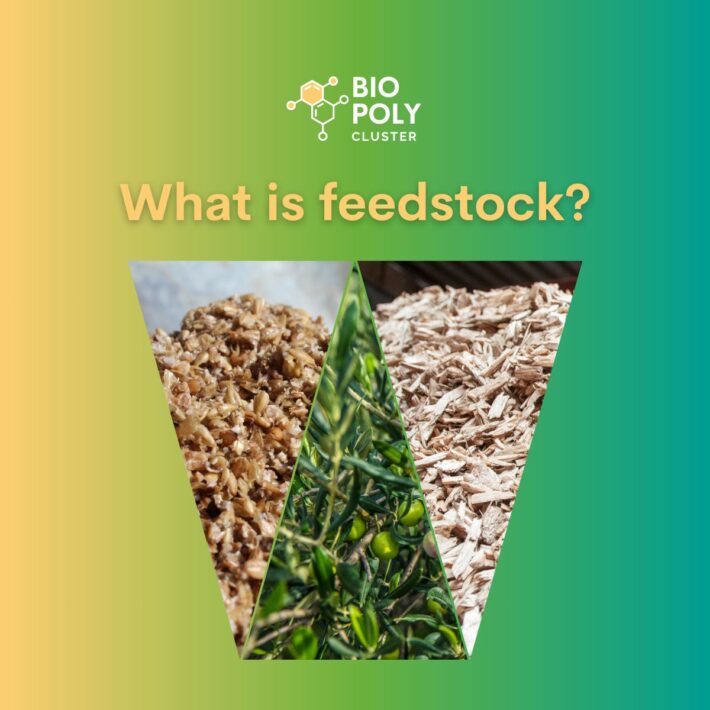
Backed by €5.6 million from the Circular Bio-based Europe Joint Undertaking (CBE JU), POLYMERS-5B is pioneering the development of bio-based, biodegradable polymers derived from agro-industrial residues such as tomato peels, grape pomace, olive pulp, and wood by-products. These materials are suitable for packaging, textiles, and technical applications — all without using food resources.
Sustainable by Design: A New Generation of Biopolymers
POLYMERS-5B’s methodology is anchored in a Safe and Sustainable by Design (SSbD) framework, ensuring that sustainability is embedded from the earliest stages of material development. Bio-based monomers are produced using chemo-enzymatic synthesis in water or solvent-free conditions, minimizing hazardous chemicals and environmental impact.
These new polymers offer properties comparable to conventional plastics, but with improved compostability, safety, and no release of microplastics. By repurposing agricultural waste, the project closes the loop between biomass, materials, and products, creating truly circular value chains.
From Lab to Market: Bio-Based Applications in Fashion
In the fashion sector, POLYMERS-5B has already delivered promising results. In collaboration with Spanish brand Bobo Choses, the project developed children’s clothing and swimwear prototypes made with the new bio-based fibers, tested successfully for durability, safety, comfort, and compostability.
In parallel, BONLEX and NSBproject are advancing a national research line focused on upcycling recycled polyester waste into innovative bio-based yarns, laying the groundwork for circular textile production in Italy and beyond.
A Strategic Opportunity for Industry
The European bioeconomy is already valued at over €2.5 trillion, with annual growth projected at 6–7%. For Italian companies, this represents a major opportunity: several EU calls are now open to support R&D in bio-based materials, with non-repayable grants available for both SMEs and large enterprises.
Now is the time to move from research to real-world application. Projects like POLYMERS-5B show that sustainability is not just about compliance, it’s a competitive advantage, activating applied research, circular value chains, and new forms of public-private collaboration.
The transformation begins in the supply chain, where waste is generated, and continues with innovative tools like AI, green chemistry, and industrial partnerships. What was once a problem becomes a resource.